
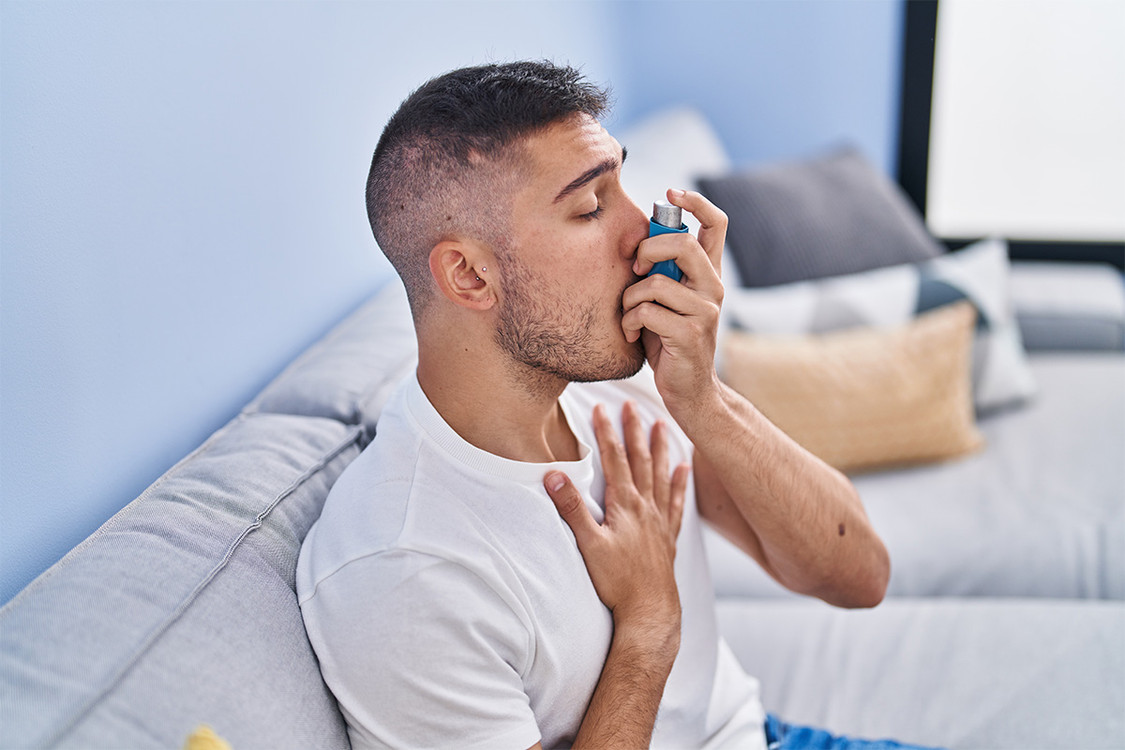
Infrared saunas may support breathing comfort for people with asthma when used thoughtfully, but they are not a medical treatment.
Key Takeaways
- Infrared saunas may support breathing comfort for people with asthma when used thoughtfully, but they are not a medical treatment.
- Lower humidity, stable heat, and clean air environments can reduce potential asthma triggers compared to steam or traditional saunas.
- Low-VOC materials and low-EMF designs further enhance comfort and safety for sensitive lungs.
- Start gradually, monitor your response, and always complement—not replace—medical care.
- Asthma-friendly sauna models, like JNH Lifestyles Tosi (full-spectrum) and Ensi+ (ultra-low EMF), provide controlled heat, user-friendly features, and reliable long-term support.
Infrared saunas are popular for relaxation, circulation, and recovery- but can they help with asthma? The answer isn’t a simple yes or no. Asthma is highly individual, and responses to heat vary from person to person. However, there are ways infrared saunas may support breathing comfort and overall wellness when used thoughtfully.
Unlike traditional or steam saunas, infrared saunas use radiant heat to warm your body directly while keeping the surrounding air cooler and drier. For some people, that difference in environment can make a noticeable impact on how the lungs feel during a session.
Asthma Triggers and How Sauna Environments Affect Breathing
Asthma isn’t just about your lungs; it’s about how your lungs respond to different triggers.
In my own experience, triggers can vary widely:
- Exercise: High-intensity cardio sometimes causes chest tightness or shortness of breath.
- Air quality: Smoke, pollen, pollution, or even dry winds can make breathing feel restricted.
- Illness: Colds or flu can leave lingering congestion and airway sensitivity.
Over time, one pattern became clear: air quality changes everything. Clean, breathable air allows deeper, more relaxed breaths, while dense, humid, or chemically “off” environments make breathing feel harder. This insight is why the type of sauna environment, dry vs humid, clean vs variable, matters so much when considering infrared heat.
Infrared Heat for Respiratory Comfort: Potential Benefits for Asthma
Infrared saunas heat your body differently from steam or traditional saunas. Instead of heating the air to high temperatures, infrared wavelengths warm you directly. This creates a gentler, more tolerable heat experience with lower air temperature and minimal humidity.
The table below outlines how infrared heat may interact with the respiratory system:
| Effect | What Happens | Why It Matters for Asthma |
|---|---|---|
| Airway relaxation | Heat may help loosen the muscles around the bronchial tubes. | Can reduce the sensation of tightness and support more comfortable breathing. |
| Improved circulation | Heat increases blood flow and oxygen delivery throughout the body. | Supports recovery and overall respiratory comfort, particularly after exertion. |
| Mucus clearance | Gentle heat may reduce mucus thickness in the respiratory system. | Helps the body clear irritants such as pollen, dust, and airborne particles. |
| Inflammatory response | Heat exposure may influence anti-inflammatory pathways, including heat shock proteins. | Since airway inflammation is central to asthma, this may support long-term comfort. |
For example, a long-term cohort study in the European Journal of Epidemiology found frequent sauna bathing was associated with a lower risk of respiratory diseases, including pneumonia and COPD (Kunutsor et al., 2017). While this research focused on traditional saunas, it illustrates how controlled heat may interact with lung health.
Clinical studies on far-infrared “Waon therapy” have also shown improvements in pulmonary function and exercise tolerance for people with chronic respiratory conditions (Umehara et al., 2008). Taken together, these findings suggest that heat delivered in a controlled, tolerable way may support breathing comfort, but it is not a medical treatment.
Tailoring Infrared Sauna Use for Exercise, Air Quality, and Illness-Related Asthma
Asthma triggers vary, so sauna benefits can differ depending on your situation:
Exercise-Induced Asthma:
For those with symptoms during or after exercise, infrared heat can act as a gentle bridge. Warming the body before or after physical activity may reduce sudden chest tightness and help the body relax. Regular sessions may also improve tolerance to physical stress over time, complementing warm-ups and recovery routines.
Air Quality & Pollution Triggers:
If your asthma is triggered by smoke, dust, or pollen, the environment inside the sauna becomes especially important. Steam rooms can feel dense and heavy, which sometimes makes breathing harder. Infrared saunas provide a drier, more consistent air environment that many people find easier to breathe in. This steadier atmosphere can help create a sense of control over exposure to irritants, particularly when outdoor air quality is poor.
Illness-Induced Asthma:
After a cold or flu, lingering congestion and chest tightness are common. Gentle heat can help muscles relax, ease tension in the chest and surrounding muscles, supporting the body’s natural recovery processes. It’s best to avoid sauna use during a fever. However, using infrared heat during recovery warms the body slowly and can help restore comfort and mobility.
Infrared vs Steam Sauna for Asthma: Air Quality, Heat, and Comfort Differences
A frequent question is: Which is better, infrared or steam? The answer depends largely on how your body responds to humidity, air density, and environmental consistency.
- Steam saunas operate at high humidity, which can help loosen mucus and provide short-term relief during congestion. For some people, this is soothing, but for others, the dense air can feel restrictive.
- Infrared saunas, in contrast, provide lower humidity and lower ambient air temperatures, so the heat is easier to tolerate while keeping the air feeling lighter.
Maintenance also matters. Poorly maintained steam rooms can harbor mold, bacteria, or chemical residues, whereas infrared saunas built with careful materials and attention to ventilation offer a more controlled environment. Studies suggest that lower ambient temperatures combined with consistent heat delivery allow sessions to be more comfortable for sensitive lungs (Frontiers in Sports and Active Living, 2025).
By maintaining predictable, clean conditions, infrared saunas can support a more consistent breathing experience, making it easier to focus on the heat’s restorative benefits rather than environmental irritants.
Low-VOC Sauna Materials and Air Quality for Asthma-Sensitive Users
For individuals with asthma, the air inside a sauna can be as important as the heat itself. Materials that release volatile organic compounds (VOCs) when heated can accumulate in small spaces, potentially aggravating sensitive lungs.
Using low-VOC materials such as clean woods, adhesives, and finishes helps reduce these emissions, creating a more stable, breathable environment. Infrared saunas designed with these considerations offer the benefits of consistent heat without introducing additional respiratory stressors.
Infrared Sauna Safety and Usage Guidelines for Asthma
Infrared saunas can be a supportive wellness tool for some individuals with asthma, but they are not universally suitable. Everyone’s response to heat is different; what feels soothing for one person may feel uncomfortable for another.
A few key considerations can help ensure safer, more comfortable use:
- Start gradually: Begin with shorter sessions at lower temperatures. Pay close attention to how your body responds, and adjust as needed.
- Stay hydrated: Sweating without replenishing fluids can thicken mucus and make breathing feel harder. Drinking water before, during, and after sessions helps maintain balance.
- Complement, don’t replace medical care: Infrared sauna use is not a treatment for asthma. Inhalers, medications, and guidance from a healthcare provider remain essential.
Approaching sauna use intentionally—pacing exposure, monitoring comfort, and staying hydrated—helps create a supportive environment that can complement your broader asthma management routine.
How to Select an Infrared Sauna for Asthma-Friendly Use
When it comes to asthma, the goal is less about the “most powerful” sauna and more about creating a space that feels comfortable and supportive for your body.
Key factors to consider include:
- Clean, breathable air: Low-VOC construction and thoughtful ventilation help create an environment that minimizes potential irritants.
- Stable, consistent heat: Saunas that maintain even temperatures reduce sudden contrasts that might feel overwhelming for sensitive airways.
- Adjustable temperature: Being able to start lower and gradually adapt allows each session to match your comfort level.
- Optional full-spectrum or ultra-low EMF designs: Depending on personal preference and sensitivity, these features can enhance the experience.
A well-designed sauna is one where you can settle in, relax, and feel the benefits of infrared heat without pushing through discomfort.
JNH Lifestyles Infrared Saunas: Low-VOC, Low-EMF, and Asthma-Sensitive Features
JNH Lifestyles saunas are designed to support a cleaner, more controlled indoor environment for sensitive users, including those prioritizing air quality, low VOC exposure, and low EMF operation.
- Low-VOC construction: JNH Lifestyles uses solid Canadian Hemlock, Red Cedar, and sustainably sourced poplar, while avoiding engineered woods, treated composites, and chemical adhesives that can release VOCs when heated.
- Low-EMF performance: Each sauna undergoes independent EMF testing to help ensure levels remain low or virtually undetectable during use.
- Even heat delivery: Strategically placed carbon-fiber heater panels provide direct, evenly distributed infrared heat for efficient warming and consistent session comfort.
- Reliable long-term support: As both manufacturer and distributor, JNH Lifestyles provides direct access to parts, upgrades, and customer support.
- Flexible purchasing support: Through Flex, qualified customers may be able to use HSA or FSA funds and potentially offset 30–40% of the investment with pre-tax dollars.
- Tosi full-spectrum sauna: Offers near, mid, and far infrared wavelengths for broader full-body coverage. Its design maintains comfortable ambient temperatures, allowing users to enjoy consistent warmth without excessive heat.
- Ensi+ ultra-low EMF sauna: Prioritizes minimal electromagnetic exposure while still providing even, efficient heat distribution for users who prefer a highly controlled environment.
Together, these features support a predictable and comfortable infrared sauna experience centered on clean materials, low EMFs, consistent heat, and user control.
Optimizing Infrared Sauna Sessions for Asthma Comfort and Wellness
Infrared saunas can be a helpful addition to wellness routines for some individuals with asthma, supporting relaxation, circulation, and recovery. The experience is highly personal, so it’s important to start gradually and pay attention to how your body responds.
Choosing an environment with clean air, minimal irritants, and controlled heat can make sessions more comfortable and predictable. Infrared saunas should be used as a complement to medical care, not a replacement for prescribed treatments or guidance.
Ultimately, the most effective approach is mindful and consistent use, finding the right combination of temperature, duration, and environment that works for your individual needs. Wellness is about supporting your body in a way that feels sustainable, safe, and tailored to you.
Frequently Asked Questions
Can infrared saunas treat asthma?
No. Infrared saunas can support relaxation, circulation, and breathing comfort but do not replace prescribed asthma treatments. They are a complementary wellness tool.
Are infrared saunas safe for all asthma types?
Individual responses vary. Start gradually, monitor breathing, and consult your healthcare provider if unsure. People with severe asthma or other respiratory conditions should seek medical advice first.
How do low-VOC and low-EMF saunas help asthma?
Low-VOC materials reduce chemical irritants, while low-EMF designs minimize electromagnetic exposure, creating a predictable, safe environment for sensitive lungs.
Can I use HSA/FSA funds to buy an infrared sauna?
Yes. JNH Lifestyles partners with Flex to allow pre-tax purchases, potentially offsetting 30–40% of the cost with proper documentation.
How long should I use an infrared sauna for asthma comfort?
Start with short sessions (5–10 minutes) at comfortable heat. Gradually increase duration as tolerated while monitoring breathing.
How often should someone with asthma use an infrared sauna?
Frequency depends on personal comfort. Many start with 2–3 times per week and adjust based on how their lungs respond. Consistency matters more than intensity.
What temperature is best for asthma-friendly infrared sauna sessions?
Lower ambient temperatures and adjustable heat are recommended. Aim for a level where you feel warm but not overheated, ensuring a comfortable session for sensitive lungs.
Are there risks of using infrared saunas with respiratory conditions?
Overheating, dehydration, or exposure to poorly ventilated environments can aggravate asthma. Always hydrate, start gradually, and avoid sauna use during fever or illness.
What is the difference between full-spectrum and low-EMF infrared saunas for asthma?
Full-spectrum (Tosi): Offers near, mid, and far infrared wavelengths for broad coverage and circulation support.
Ultra-low EMF (Ensi+): Prioritizes minimal electromagnetic exposure while maintaining consistent heat. Choice depends on personal sensitivity and comfort preferences.
Can children or older adults with asthma use infrared saunas?
Infrared saunas may be used with caution, but children, older adults, or people with severe respiratory conditions should always consult a healthcare provider before use.
References
European Journal of Epidemiology
Kunutsor, S. K., Laukkanen, T., & Jari A. Laukkanen (2017).
Sauna bathing reduces the risk of respiratory diseases: A long-term prospective cohort study.
This study found that frequent sauna use was associated with a reduced risk of respiratory conditions, including pneumonia and COPD.
Journal of Cardiology
Chuwa Tei et al. (2008).
Waon therapy improves pulmonary function and exercise tolerance in patients with chronic disease.
Research on far-infrared “Waon therapy” showing improvements in circulation, pulmonary function, and overall physical tolerance.
Frontiers in Sports and Active Living (2025).
Heat exposure, respiratory comfort, and exercise tolerance.
Highlights how lower ambient temperatures with effective heat delivery can improve comfort and session tolerance, especially for individuals with sensitive airways.
American Lung Association
Asthma basics and triggers.
Provides foundational guidance on asthma triggers, including environmental factors like air quality, allergens, and respiratory infections.
National Heart, Lung, and Blood Institute
Asthma management guidelines.
Clinical recommendations emphasizing that lifestyle tools (like sauna use) should complement—not replace—medical treatment.
World Health Organization
Air quality and respiratory health.
Reinforces the importance of clean air environments and reduced exposure to airborne pollutants for individuals with asthma and other respiratory sensitivities.
